Transparent and efficient parent teacher communication between the two pillars of support for kids in their early childhood – parents, and teachers – is crucial for identifying and working through both the challenges and strengths of a child. It not only fosters mutual trust and respect but also empowers both parties to act as a united support system for the child's education and development.
The Power of a Unified Support Network
Both preschool teachers and parents play pivotal roles in helping young children develop to their full potential. While parents instill essential life values and skills at home, teachers introduce structured learning and spark curiosity in a formal setting. When strong parent teacher communication strategies are in place, these two forces work harmoniously to shape the child's growth and academic achievement.
A trusting relationship between parents and teachers provides the foundation for a supportive environment where students benefit from coordinated efforts. This collaborative atmosphere contributes significantly to the child's well being and overall development.
How Parent Involvement Benefits a Child's Progress
Some of the most critical cognitive and emotional developments in a child take place during their preschool years. Regular parent engagement ensures that learning isn't confined to the classroom. Parents who are aware of school activities can reinforce classroom lessons at home, creating a more holistic educational experience.
Effective communication between teachers and parents helps bridge any potential communication barriers. It also allows educators to tailor their approaches according to feedback and unique family contexts. This enhances the child's academic success and social skills.
Studies show that increased parental involvement directly leads to improved academic performance, reduced behavioral problems, and stronger social-emotional skills. Students are more motivated to attend school, leading to better student attendance and higher grades over time. This is why the importance of parent teacher communication goes beyond convenience — it's a measurable factor in how well a child does at school.
Tips for Effective Parent Teacher Communication
The specific channels matter less than consistency. A few of the most effective parent teacher communication strategies: using a steady digital platform for updates instead of scattered emails and notes, hosting regular parent-teacher conferences that start with an early introductory call, sharing beneficial resources so parents can reinforce learning at home, actively incorporating parent feedback into classroom decisions, sending daily reports so nothing about a child's day gets lost, and consistently using positive, solution-oriented communication techniques even in difficult conversations.
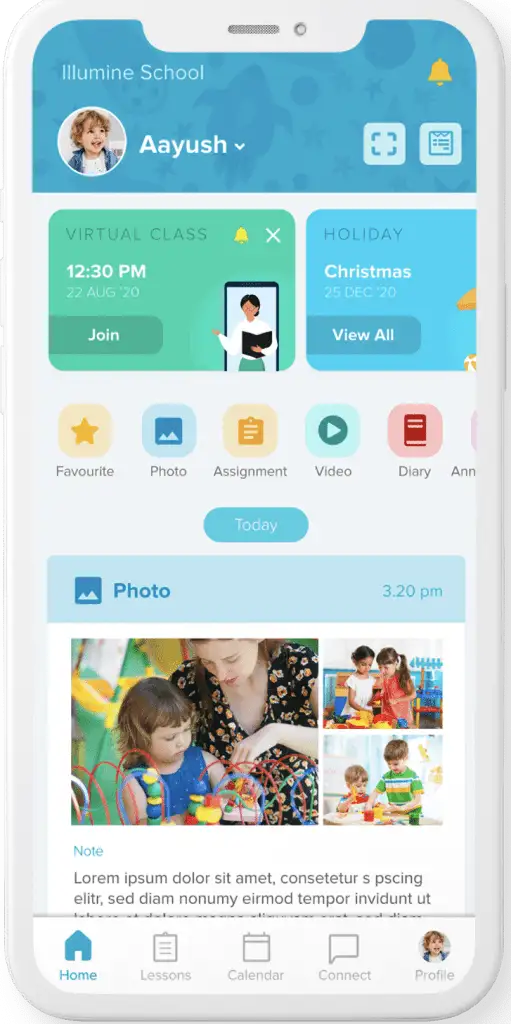
illumine's childcare app helps teachers streamline all of this into one place — daily reports, messaging, and real-time updates — so consistency doesn't depend on remembering ten different channels.
Want the full tactical breakdown? Our Teacher's Guide to Talking to Parents covers all 9 channels in depth, plus ready-to-use scripts for daily updates, introductions, and tough conversations.
Pointers for Parents: Staying Involved in the Learning Environment
Understand the Tools Used by the School
Parents must familiarize themselves with the platforms and tools used by the preschool. Knowing how to navigate digital platforms helps them monitor lesson plans, student attendance, school announcements, food or medical requests, and school events seamlessly.
illumine's preschool management app allows parents to digitally manage all communications, ensuring they remain engaged and informed throughout the school year.
Read and Respond to Communication
An essential parent teacher communication tip is consistency. Parents should regularly read and respond to school correspondences – be it emails, newsletters, or app notifications. Staying up to date with what's happening at school improves the child's educational experience and creates a more connected school community.
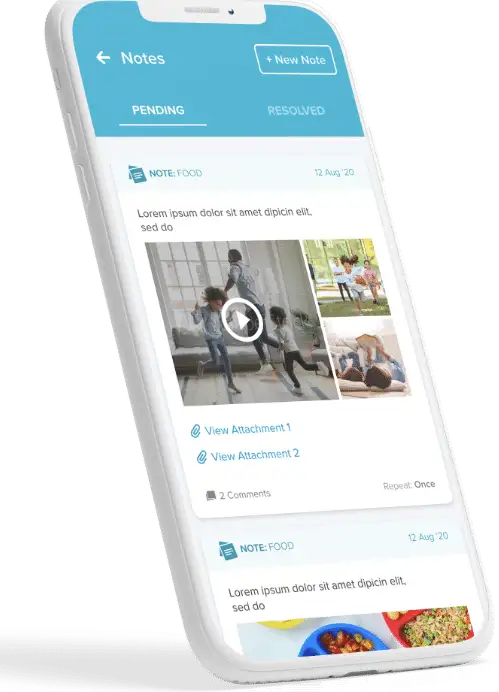
illumine's parent teacher communication app streamlines all the announcements being sent to a single platform, making it easy for parents to access and keep a track of them and hence, never missing a beat of their child's growing journey.
Attend School Meetings and Events
School events such as open houses, cultural programs, and orientation sessions offer valuable opportunities for parents to meet the teachers, explore the school environment, and discuss their child's development.
Regular participation in such events demonstrates commitment and helps foster strong relationships between parents, teachers, and administrators.
Be Involved in Assignments and Lesson Plans
Teachers often send lesson plans, assignments, and class schedules in advance. Parents who stay informed about these updates can support their child more effectively. They can help the child with school work, prepare them for upcoming evaluations, and work on areas that need improvement.
illumine's daycare management app empowers teachers to update the lesson plans and assignments digitally without putting in much effort and time, and it helps parents access the same, all from a single platform, without any fuss.
Communicate Effectively With Teachers
It's essential for parents to communicate effectively with their child's teacher. Whether it's a phone call, an email, or a face-to-face conversation, respectful and constructive communication is key to resolving concerns and strengthening the parent teacher bond.
Translation services can be considered if language barriers exist. Schools can also proactively offer these services and ensure staff are trained to handle multilingual communication effectively, ensuring that every family, regardless of their background, can participate fully in their child's academic journey.
Building a Supportive and Inclusive Educational Environment
Improving parent teacher communication doesn't just benefit the students – it elevates the entire school environment. When there is clarity, regularity, and a shared vision between both parties, the child's success becomes a shared accomplishment.
Schools should aim to build a supportive network where every child has access to quality education and personalized care. Encouraging parental engagement through multiple channels ensures that no child is left behind and that each child's academic and emotional needs are met.
By fostering strong parent teacher communication, schools lay the groundwork for lifelong learning habits, positive attitudes, and academic excellence. These collaborations build confident learners and reinforce the idea that every child's learning journey is a shared, continuous, and cherished process.
In conclusion, effective communication between parents and teachers is not a one-time effort—it is an ongoing commitment to building strong, trusting relationships in the best interest of the child's academic and emotional growth.
Ready to transform how your school communicates with parents? Try illumine today and experience the difference a unified, real-time communication platform can make.

Frequently Asked Questions (FAQs)
1. Why is regular communication essential between schools and parents?
Regular communication helps ensure both teachers and parents are aligned on the child's progress, leading to higher student success and improved academic performance. It reinforces positive relationships and fosters a supportive environment for learning.
You can optimize this process using illumine's childcare app which supports real-time updates and centralized parent-teacher messaging.
2. How can schools handle communication barriers with families from diverse backgrounds?
Schools should offer translation services, train staff in cultural competence, and use digital tools to facilitate inclusive communication. These strategies help overcome language barriers and promote two way communication for stronger parent engagement.
3. What are the most important parent teacher communication strategies for building trust early in the school year?
Start with an introductory phone call and regularly communicate through newsletters or daily reports. Being on the same page from day one fosters trust, mutual respect, and a shared focus on the child's academic and emotional development. For exact scripts to use in these conversations, see our Teacher's Guide to Talking to Parents.
4. What role do school activities and classroom activities play in a child's education?
Participating in school events and staying updated on classroom activities supports the child's learning environment, enhances social skills, and strengthens the school community.
5. How does parental involvement at home influence a child's academic growth?
When parents communicate with teachers and reinforce school work at home, it promotes a positive attitude toward learning, increases student attendance, and leads to higher grades and academic achievement.
6. Why is parent teacher communication important?
It gives teachers insight into a child's home environment, gives parents visibility into their child's school life, and lets both reinforce the same lessons — which research consistently links to better attendance, behavior, and academic outcomes.