Cognitive Development in Early Childhood: A Practical Guide for Educators
If you're an early years educator or a center owner or director, this may sound familiar.
One child follows a full set of instructions with ease. Another needs reminders. One child remembers yesterday's story in detail. Another recalls only the pictures.
These differences are not about how "smart" a child is. They reflect cognitive development.
Cognitive development shapes how preschoolers think, remember, use language, and solve problems. It affects how they follow routines, ask questions, and learn from daily classroom experiences.
By observing cognitive milestones, educators can track each child's progress and adjust support to meet individual needs. Supporting cognitive development in preschool lays the foundation for future learning by strengthening essential thinking and reasoning skills.
This guide breaks down what cognitive development in early childhood really means, what it looks like in preschool settings, and how educators can support it through simple, play-based classroom activities.
What Is Cognitive Development in Early Childhood?
Cognitive development helps children figure out how things work, not just what to do. It helps them think, learn, remember, and make sense of the world.
It includes abilities such as attention, memory, and reasoning. These skills form the base for later learning and problem solving.
In preschoolers, cognitive development includes:
- Problem solving through trial and error
- Growing vocabulary and sentence use
- Remembering routines, stories, and instructions
- Understanding cause and effect
- Using imagination and symbols during pretend play
- Asking "why" and "how" questions
For example, when a child predicts what will happen next in a story or remembers the steps of clean-up time, they are using cognitive skills.
What cognitive development is not
Skills like running, balancing, dressing independently, or cutting with scissors belong to physical or motor development. These skills often grow alongside cognitive skills, but they are not the same.
When educators understand what cognitive development truly involves, they can plan activities with intention and avoid unrealistic expectations.
Remember: Expectations should also align with age, since cognitive abilities vary across preschool years.
How Cognitive Development Affects Learning in Preschool
Cognitive development directly affects how well a child:
- Listens and follows instructions
- Remembers routines and rules
- Understands stories and conversations
- Solves problems during play
- Adjusts to transitions and changes
It helps preschoolers think through experiences, not just take part in them. When educators understand this, they can adjust expectations and teaching strategies to meet children where they are.
Cognitive Development Milestones for Preschoolers (Ages 3–5)
Cognitive development does not follow a strict timeline. Children develop skills at different speeds. Still, common patterns often appear between ages three and five.
Observing cognitive milestones helps educators monitor progress and provide timely support.
Below are key cognitive areas and how they often show up in preschool classrooms.
Problem Solving Skills
Preschoolers begin to solve simple problems independently.
- They complete basic puzzles
- They use trial and error to reach a goal
- They understand simple sequences like first, next, and last
In the classroom, this may look like a child trying different ways to build a tower or open a container.
Vocabulary and Language Growth
Language grows rapidly during the preschool years.
- Vocabulary expands to over 1,000 words
- Sentences become longer and more complex
- "Why" and "how" questions become frequent
You may notice children explaining their play, retelling events, or asking questions during group discussions.
Memory and Recall
Preschoolers rely more on memory.
- They remember familiar people and places
- They retell short stories
- They follow routines and multi-step instructions
This often shows up when children remember clean-up steps or classroom rules.
Understanding Cause and Effect
Preschoolers begin connecting actions with outcomes.
- They predict what will happen next in a story
- They understand simple consequences
- They explore how things work through hands-on play
This understanding appears during science activities, block play, and social interactions.
Imitation and Observational Learning
Children learn by watching others.
- They imitate adults and peers
- They copy language and problem-solving strategies
- They learn classroom norms through observation
This highlights the importance of modeling behavior and thinking aloud.
Understanding Variability in Preschool Cognitive Development
Cognitive development does not happen evenly or all at once. Differences in memory, attention, and problem solving are normal in early childhood.
One child may show strong language skills but struggle with problem solving. Another may solve puzzles easily but need more time to follow verbal instructions. This uneven growth is common.
Skills often develop in bursts. A child may struggle for weeks, then suddenly grasp a concept after repeated exposure. This reflects how young brains learn.
Variation is usually typical when:
- A skill appears inconsistently
- A child needs extra time or repetition
- Progress happens gradually
What matters most is pattern, not a single moment.
Educators should begin documenting when:
- A child struggles across multiple cognitive areas
- Skills do not progress over time despite support
- A child avoids problem-solving or language-based activities
At this stage, the educator's role is observation and documentation, not diagnosis. Clear notes shared with curriculum leads or specialists support collaboration and next steps.
10 Cognitive Development Activities for Preschoolers
Below are practical, low-prep, and developmentally appropriate cognitive activities that fit easily into preschool routines.
1. Play outdoors or take short excursions
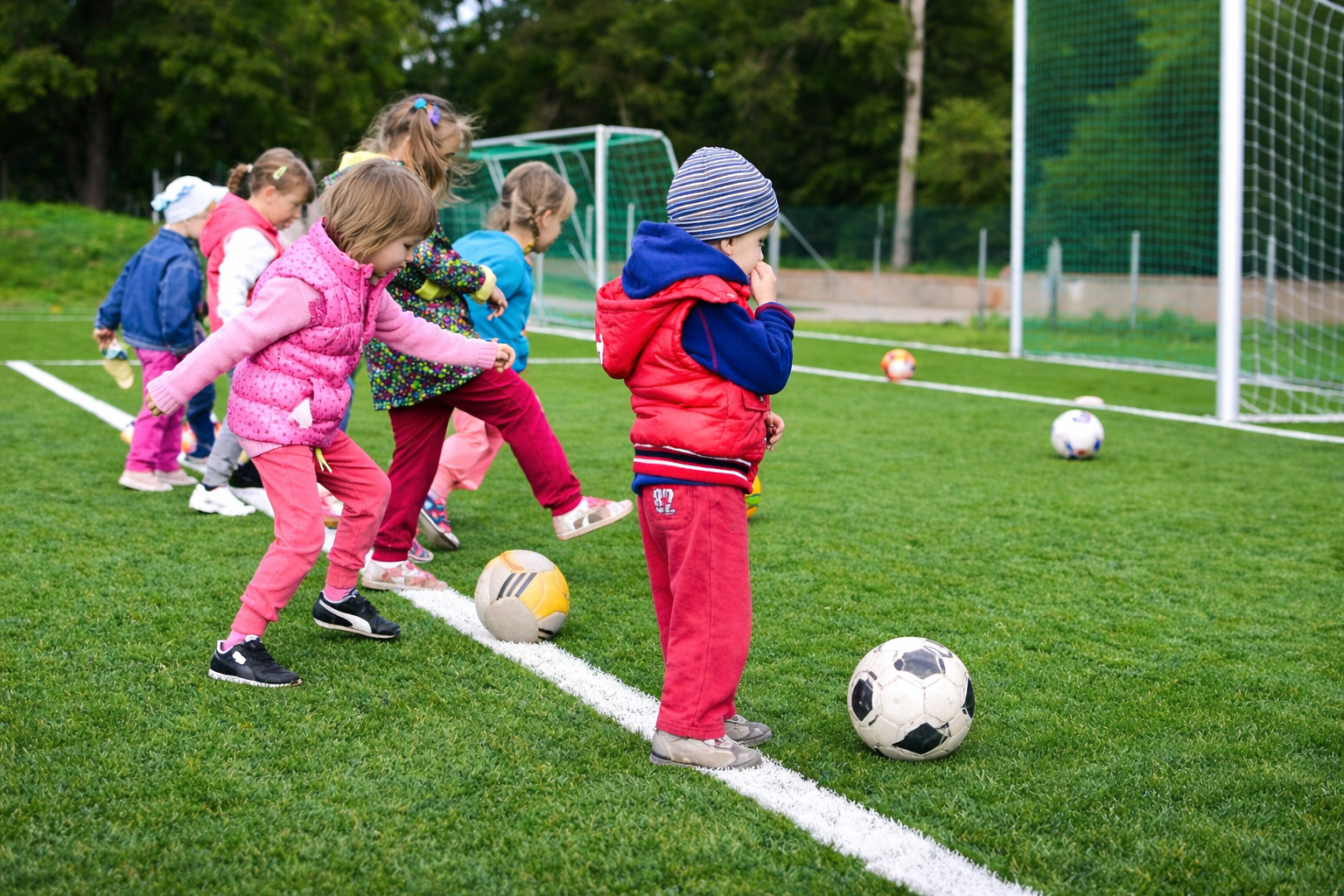
Unstructured outdoor play exposes children to new sights, sounds, and experiences. These moments encourage curiosity, imagination, and problem solving.
A visit to the playground, a short nature walk, or even outdoor free play can spark rich thinking. You can also introduce simple pretend play outdoors. For example, set up an outdoor tea party or act out roles like a vet, firefighter, or astronaut.
As children play, ask open-ended questions such as:
- "What do you think is wrong with the animal?"
- "How could we help it feel better?"
2. Encourage Creative Art Activities
Art activities support planning, decision-making, and imagination. Offer materials like paper, paint, play dough, or recycled items.
Children might create animals using play dough or explore textures using colored rice bins. The focus should stay on the process, not the final product.
Open-ended art allows children to make choices and explain their thinking.
3. Use Puzzles and Sorting Games
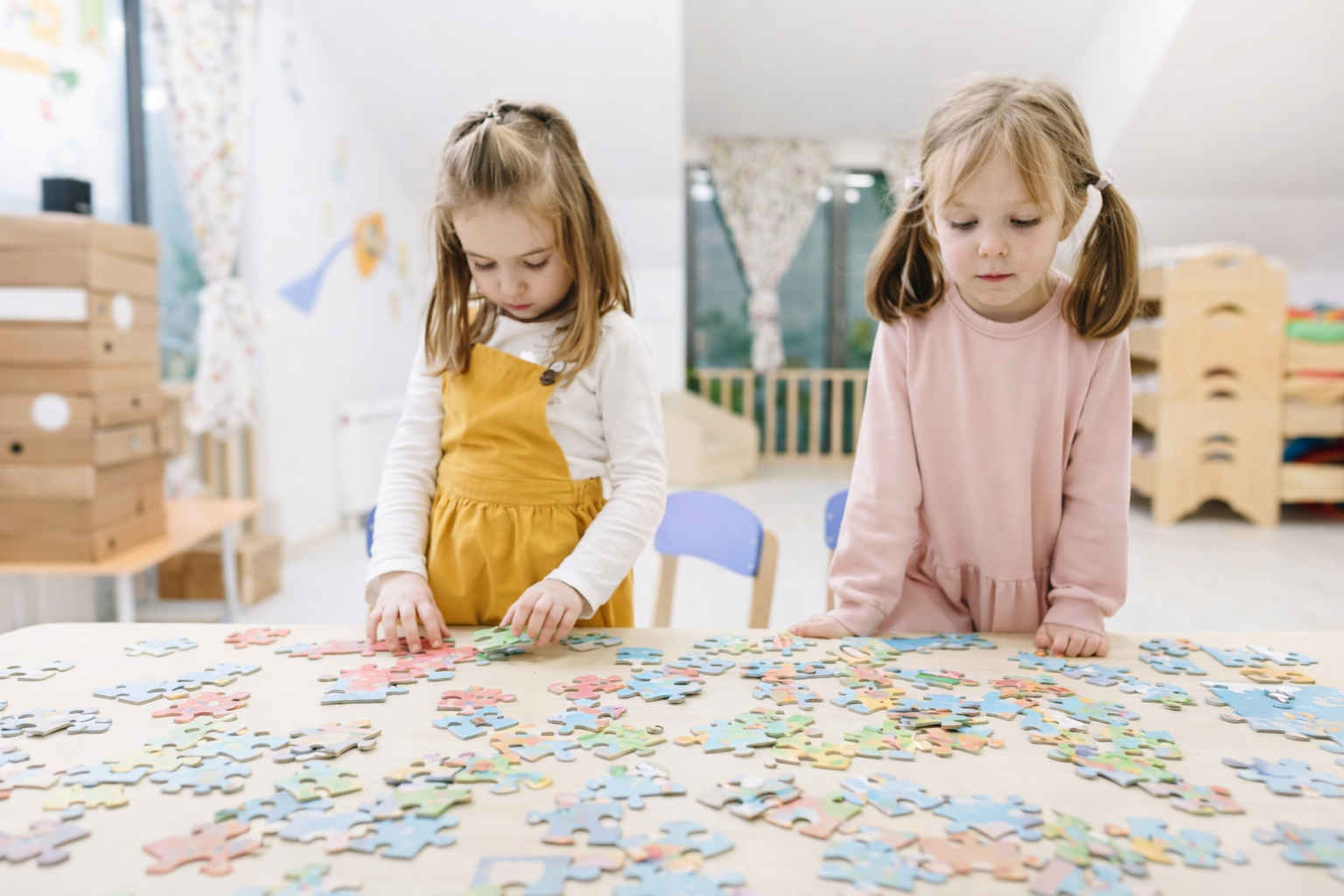
Puzzles and sorting activities help children recognize patterns and relationships.
Preschoolers can sort objects by color, shape, size, or texture. You might ask them to stack rings in order or match animals with their babies.
Simple board games also support thinking skills. Games like Chutes and Ladders teach children to take turns, follow rules, and solve problems in real time.
4. Practice Letters, Numbers, and Counting
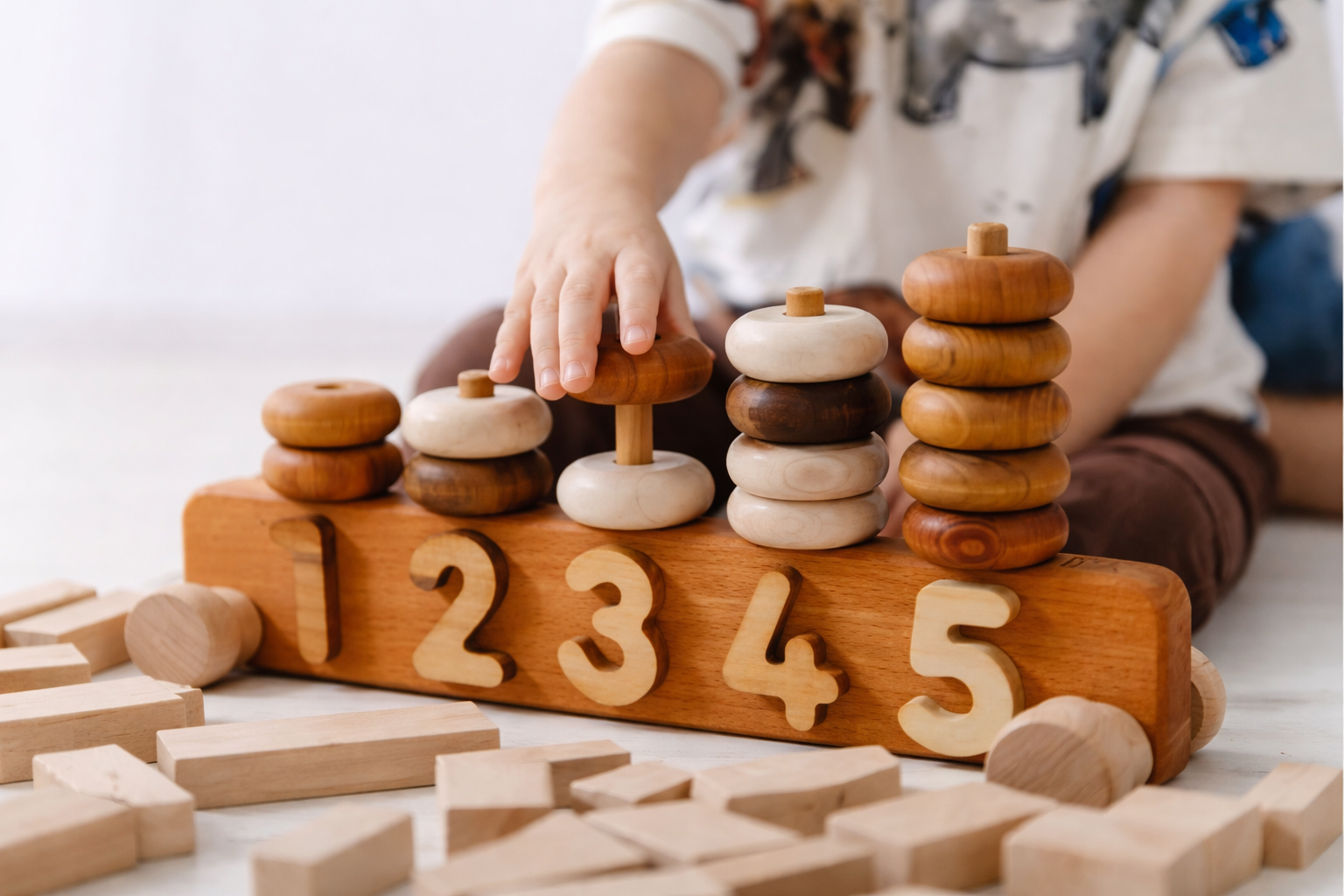
Repeated exposure helps children become familiar with letters and numbers.
Use hands-on counting activities whenever possible. For example, children can count snack items, blocks, or watermelon seeds during play. Flashcards can support letter recognition when used consistently and briefly.
The goal is familiarity, not memorization.
5. Sing Rhymes and Songs
Songs and rhymes support memory, language patterns, and listening skills.
Nursery rhymes, finger plays, and action songs help children remember words and sounds through repetition. These activities also support early reading skills.
You can add animal sounds or movements to make songs more interactive and engaging.
6. Read and Tell Stories With Pictures
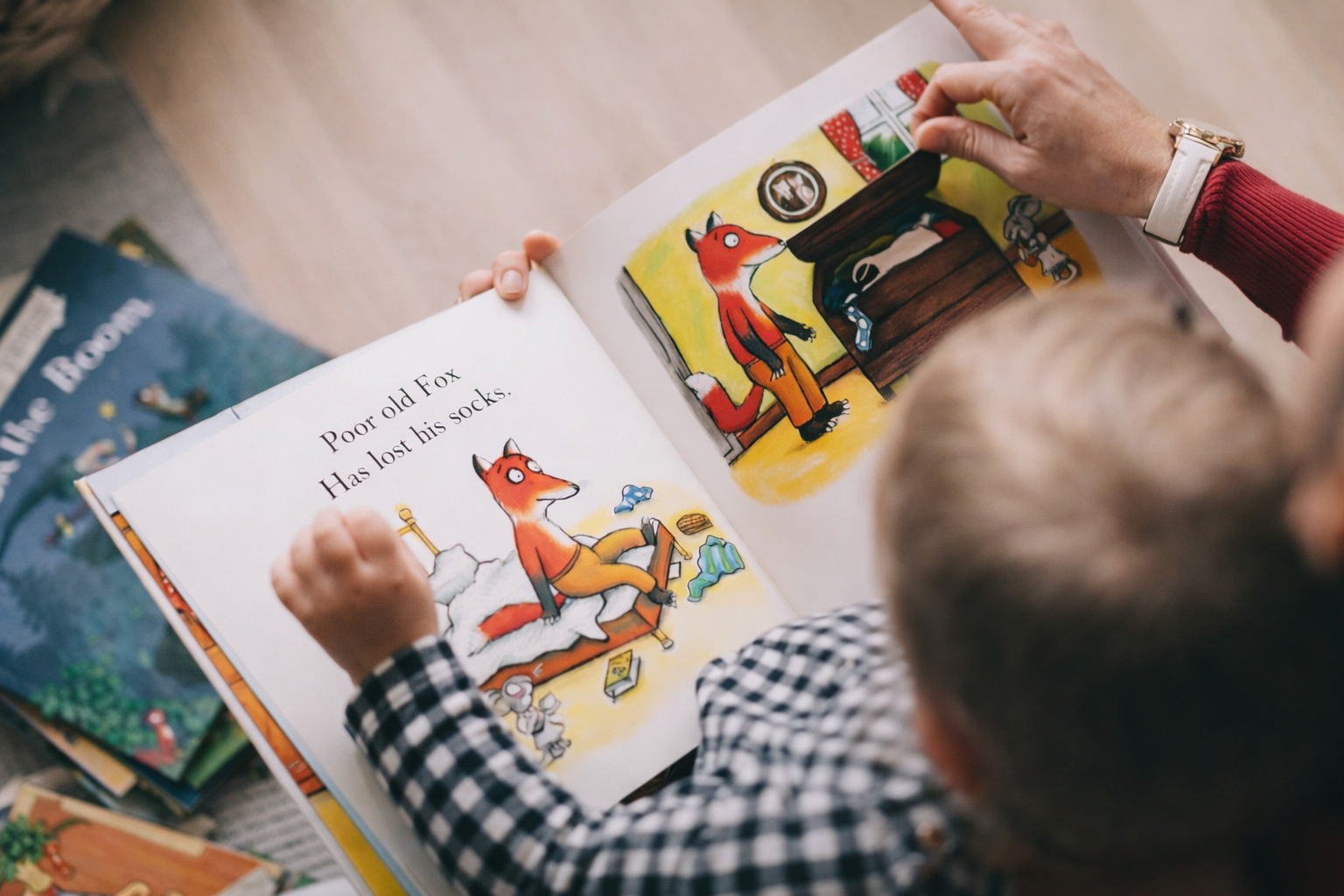
Reading builds vocabulary, memory, and imagination.
When reading with children, pause to ask questions about the story:
- "Why do you think the character did that?"
- "What could happen next?"
Picture books help children connect images with language and ideas. Regular storytelling also improves attention span and listening skills.
7. Explore Music With Simple Instruments

Music activities strengthen auditory skills and attention.
Children can explore sound by tapping utensils, using homemade shakers, or playing drums. Rotate instruments every few days to keep the experience fresh.
Trying new instruments encourages children to think creatively and experiment with sound.
8. Encourage Pretend Play With Household Toys
Pretend play supports symbolic thinking and imitation.
Children may use blocks as phones or pretend kitchen tools are real. Acting out everyday roles helps children understand how objects and people relate to one another.
When children fully engage in pretend play, it shows they can connect ideas with actions.
9. Use Cause-and-Effect Toys
Cause-and-effect toys help children understand consequences.
Toys that light up, make sounds, or move when pressed allow children to see direct results from their actions. These moments strengthen reasoning and prediction skills.
Children begin to understand simple links, such as "When I press this, something happens."
10. Create Mazes or Obstacle Courses
Mazes and obstacle courses encourage problem solving and planning.
Use painter's tape to create paths on the floor or arrange chairs, tables, and boxes to form simple courses. Children must decide how to move through the space and adjust their approach as needed.
These activities challenge children to think while they move.
How to Promote Cognitive Development in a Preschool Setting
Cognitive development grows best in classrooms that feel predictable, supportive, and flexible.
Educators support cognitive growth when they:
- Ask open-ended questions
- Allow time for trial and error
- Repeat routines with intention
- Observe before adjusting activities
Planning based on observation matters. What works for one group may not work for another. Cognitive growth improves when activities respond to what children are ready to explore next.
Group play, pretend play, and interactive reading also support social and language development alongside cognitive skills.
Small choices make a difference. Offering options, encouraging explanations, and modeling thinking out loud support deeper learning throughout the day.
Designed to Support Cognitive Development in Preschool
Strong cognitive development starts with intentional planning, consistent observation, and meaningful classroom experiences. For childcare centers, this requires more than just good intentions. It requires systems that support teachers without adding to their workload.
illumine helps preschools support cognitive development in a practical way. From lesson planning and tracking real-time updates to observations, assessments, and parent communication, illumine brings essential teaching and admin tasks into one place.
By reducing the time teachers spend on planning and paperwork, illumine gives educators more time to focus on what matters most: engaging with children and supporting how they think, learn, and grow. Over time, this also helps centers manage resources more efficiently.
With fewer tools to juggle and clearer visibility into classroom activities, teachers can plan with confidence and create developmentally appropriate cognitive activities that fit naturally into the preschool day.
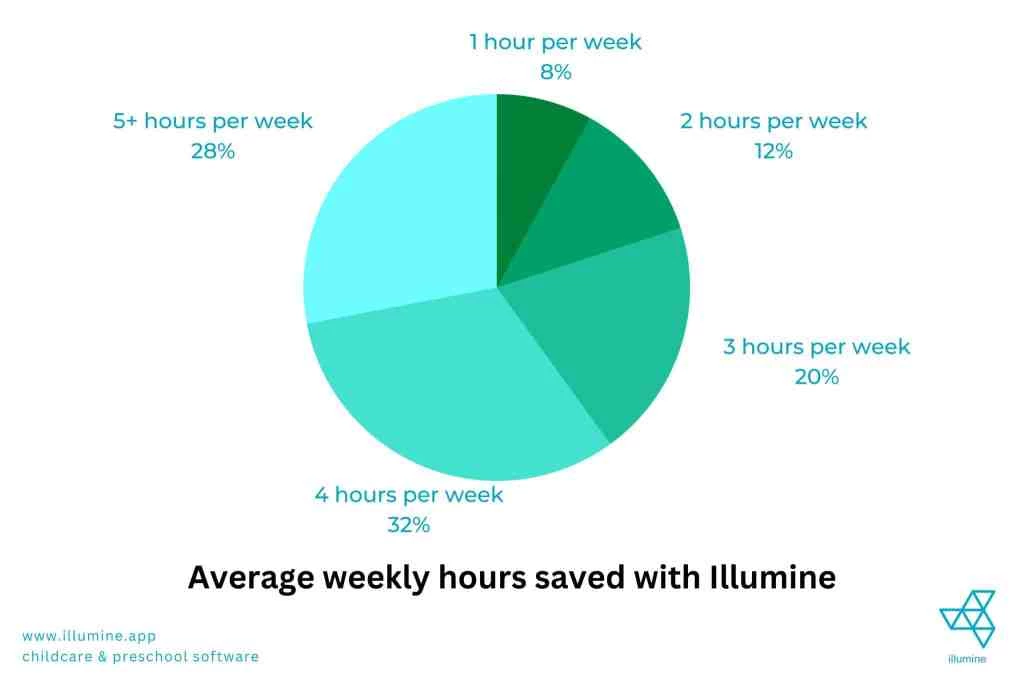
If you'd like to see how illumine can support cognitive development at your center, you can speak with an illumine expert for a walkthrough tailored to your needs.

FAQs
1. What is a cognitive activity for preschool?
A cognitive activity helps preschoolers think, remember, solve problems, or understand cause and effect through play or guided experiences. These activities support reasoning, attention, and early learning skills.
2. Why are cognitive development activities so important for preschoolers?
Cognitive development activities support learning, language growth, problem solving, and school readiness during a critical stage of brain development. They help children build strong thinking foundations.
3. How do you promote cognitive development in a preschool setting?
Cognitive development is promoted by offering hands-on activities, asking open-ended questions, repeating daily routines, and planning lessons based on observation of children's interests and abilities.
4. What kind of cognitive skills can preschoolers develop?
Preschoolers can develop problem solving, memory, language, reasoning, imitation, and cause-and-effect understanding through play-based and guided learning experiences.